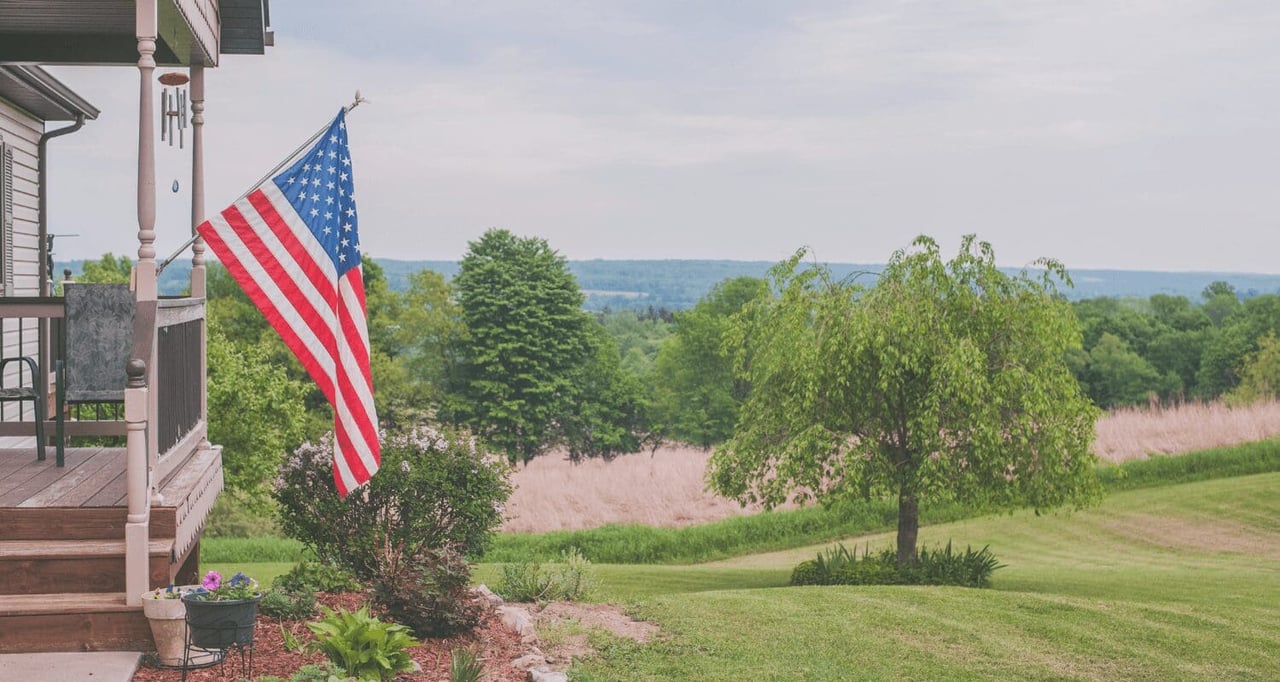
The patio gets cleaned off. The grill comes back to life. Morning coffee moves outside, and evenings stretch longer. People start hosting again, opening windows again, noticing the light in a different way. It's the beginning of the season where you actually live in your home, not just occupy it.
I feel this every year in how clients start talking to me around this time. The conversations get a little more intentional. People who've been casually watching the market start asking real questions. And the homes that are generating the most interest tend to have that summer energy to them, great light, indoor-outdoor flow, spaces that make everyday life feel easier and weekends feel genuinely elevated.
That shift in feeling? It's showing up clearly in the data too.
LA's Luxury Market Is Moving, Even When the Rest of the Country Isn't
While high mortgage rates and affordability challenges have kept many buyers on the sidelines nationally, Los Angeles has been telling a very different story at the upper end.
According to a recent Compass report, Greater Los Angeles posted some of the strongest ultra-luxury gains in the country, transactions at the $10 million-plus level jumped more than 50 percent from the prior year, with total sales volume up 61 percent. This surge came despite the mansion tax and the uncertainty that followed January's wildfires.
That's not a small number. That's a market that, at its highest tier, is operating by an entirely different set of rules. Wealthy buyers aren't waiting on interest rates to drop, the activity is being driven by stock market gains, major liquidity events, and generational wealth, with buyers choosing to put their money into trophy properties as both a lifestyle asset and a long-term investment.
What I find meaningful about this for my clients isn't necessarily the $10 million price point, it's what it signals about confidence in LA real estate broadly. The buyers showing up at that level understand this market deeply. They're not spooked. They're leaning in.
Climate Risk Is a Real Conversation, And LA Buyers Need to Understand It
There's another story I've been watching closely, because I think it's one that every serious buyer and seller in this city should understand.
A major report from First Street Foundation found that climate change could wipe out roughly $1.47 trillion in U.S. home values over the next three decades, driven primarily by rising insurance costs and shifting buyer demand as people factor climate risk into their decisions.
For Los Angeles, this isn't abstract. We felt it with the January wildfires. We've seen what happens to insurance availability in certain zip codes. And the financial modeling reflects that reality.
California, Texas, and Florida together account for more than 40 percent of the country's $2.8 trillion in natural disaster costs since 1980, and First Street's projections suggest some counties in those states could see property values decline between 10 and 40 percent by 2055.
This doesn't mean panic. It means being strategic.
The same report also identifies what it calls "climate-resilient" areas, markets with stable insurance rates and low risk exposure where property values are actually expected to increase by over 10 percent in the coming decades. The bifurcation is real. Not all LA properties carry equal risk, and the conversation around where you buy and why matters more now than it did five years ago.
When I work with buyers, this is part of the conversation we're having. Not to create fear, but to make smart decisions with eyes open. Insurance costs, wildfire risk scores, proximity to fire-prone hillsides, these are due diligence items that belong in every transaction right now.
What This Season Is Telling Me
Memorial Day has always been a kind of quiet inflection point in real estate. People get a long weekend, they spend time in their home, they host friends, and something clicks, or doesn't.
Sometimes those thoughts stay casual. Sometimes they become the beginning of a move.
What I'm watching right now is a market that has real complexity to it, a luxury tier that is outperforming dramatically, a broader environment where climate-informed buying is becoming more important, and a seasonal energy that's pushing people to think more seriously about lifestyle, space, and location.
If you're a buyer in LA, this is a moment to be thoughtful, not reactive. Understand where the value is. Understand where the risk is. And find a home that works for the life you're actually living, with a patio worth using, light that makes you feel something, and a location that makes sense for the long game.
If you're thinking about selling, the upper market is moving. Presentation and positioning matter. The buyers who are active right now know what they want.
Either way, I'm here. Let's talk through where you are and what makes sense.


